Home
About UsWho we are and how we care Meet the TeamSay hello to the friendly faces who’ll be looking after your smile journey Location & Clinic TourFind us on Lawes Street and take a look inside our modern clinic Our TechnologyAdvanced tools, gentle treatment and better outcomes for you Envision Your SmileSee what’s possible with cosmetic and restorative dental solutions New Patients WelcomeWe make getting started easy and stress-free Feeling Nervous? Start HereGentle care at your pace, with comfort options
Fees & PaymentsFAQContact Book Online
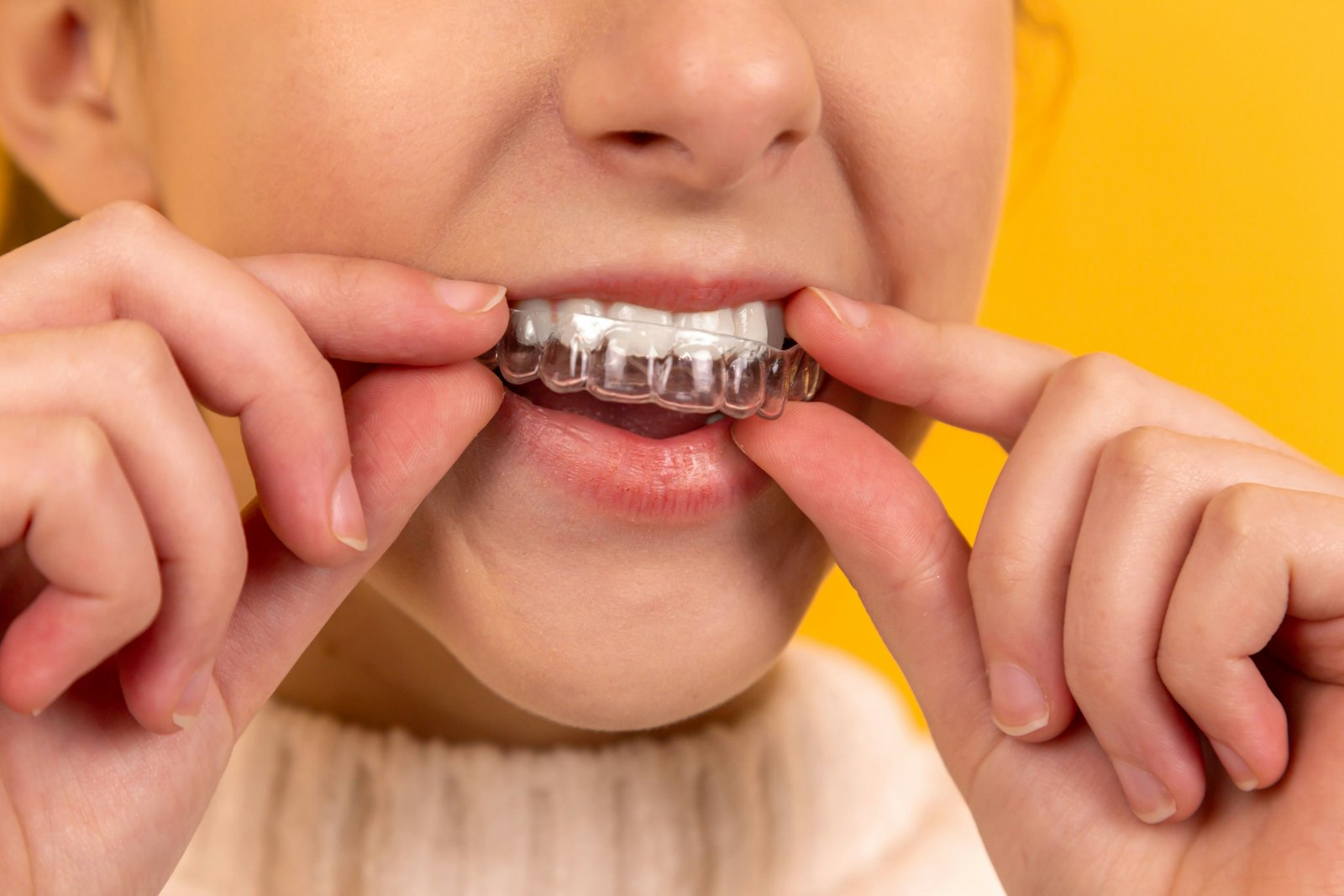
Custom mouthguard fitting at Tooth n Care
Mouthguards & Occlusal Splints

Protecting teeth from sport and sleep

Two different appliances for two different problems: a mouthguard absorbs impact on the field, and a splint protects teeth from the force you generate at night.

When It’s Needed

You probably need one

At The Appointment

What actually happens

01/

Assessment

We work out which appliance you need. Grinding damage, jaw joint symptoms and sport all point in different directions, and a snoring appliance is a separate design again.

02/

Impressions or scan

A digital scan or impressions of both arches, plus a record of how your teeth meet. Accuracy here is the whole game — a millimetre out and the appliance won’t sit right.

03/

Made to fit you

Built in a dental laboratory to your model. Sports guards can be made in your club colours; splints are made in hard or soft acrylic depending on what we’re treating.

04/

Fitting & adjustment

We check it seats fully, adjust the bite so contact is even, and show you how to insert, clean and store it. Expect a short review after a couple of weeks of wear.

Afterwards

Recovery & aftercare

  • Rinse in cold water after every use, then brush gently with a soft brush and mild soap — not hot water, which distorts it.
  • Store dry in its ventilated case, away from heat and out of reach of pets, who love them.
  • Bring it to every check-up so we can inspect the fit and wear.
  • A splint can feel bulky for a week or two; most people adapt within a few nights.
  • Increased salivation at first is normal and settles.
  • Replace a child’s sports guard as they grow — often each season.
  • Stop wearing and contact us if you get persistent jaw pain, or if the appliance no longer seats properly.
A custom-made dental splint at Tooth n Care
Alternatives We’d Also Discuss

Other ways to go

Over-the-counter boil-and-bite guards

Cheap and better than nothing on the field, but bulky, loose, harder to breathe and speak through, and they offer measurably less protection. As a night splint they can actively worsen a bite problem.

Managing the cause of grinding

Stress, sleep quality, caffeine, alcohol and some medications all feed bruxism. A splint protects teeth; it doesn’t stop the grinding, so addressing the driver matters too.

Referral for sleep assessment

Loud snoring with daytime tiredness or witnessed pauses in breathing needs a proper sleep study before any oral appliance. We refer for that rather than guess.

Risks & Considerations

The honest downsides

No treatment is risk-free, and you should hear this before you decide rather than afterwards.

Cost & health funds

A custom appliance costs more than a chemist guard and lasts far longer, fits properly and actually does the job. Most health funds with general dental cover rebate on both mouthguards and splints, claimable on the spot through HICAPS. Some sporting clubs and schools run subsidised fitting days — worth asking.

Fees & payment plans →

Get a written plan

Before anything starts you’ll have a written treatment plan with costs, inclusions and any conditions spelled out, plus an estimate of your health fund rebate checked at the desk.

Book an assessment →

Tooth n Care 135 Lawes Street,
East Maitland NSW 2323
02 4933 4667 Get Directions

This information is general in nature and is not a substitute for personalised advice from a registered dental practitioner. Any dental or surgical procedure carries risks. Individual results vary. Before proceeding with treatment we encourage you to ask questions and, if you wish, seek a second opinion from a qualified health practitioner.