Home
About UsWho we are and how we care Meet the TeamSay hello to the friendly faces who’ll be looking after your smile journey Location & Clinic TourFind us on Lawes Street and take a look inside our modern clinic Our TechnologyAdvanced tools, gentle treatment and better outcomes for you Envision Your SmileSee what’s possible with cosmetic and restorative dental solutions New Patients WelcomeWe make getting started easy and stress-free Feeling Nervous? Start HereGentle care at your pace, with comfort options
Fees & PaymentsFAQContact Book Online
Children’s dental care at Tooth n Care East Maitland
Children’s Dentistry

Making the first visits easy ones

How a child feels about the dentist at six tends to stick at thirty-six. We take that seriously, and we take our time.

When It’s Needed

When to bring them in

At The Appointment

What actually happens

01/

Getting comfortable

The first visit may be nothing more than a ride in the chair, counting teeth and meeting Zoe. If that’s all we do, that’s a successful appointment.

02/

Examination & clean

A check of teeth, gums, bite and how the adult teeth are developing, then a gentle clean and polish. X-rays only when there’s a clear reason.

03/

Prevention

Fluoride application, and fissure sealants on the deep grooves of new adult molars — a thin protective coating applied to the surface, with no drilling and no needle, and one of the most effective things we can do.

04/

Treatment if needed

Fillings, baby-tooth extractions or stainless steel crowns where decay is extensive. All explained to your child in words they’ll understand, at a pace they can handle.

Afterwards

Recovery & aftercare

  • Brush twice daily with a smear of fluoride toothpaste under 3, a pea-sized amount from 3 up.
  • Brush for them until about age eight — their coordination genuinely isn’t there before then.
  • Start flossing once teeth touch each other.
  • Water and milk between meals; juice, cordial and sports drinks at mealtimes only if at all.
  • It’s the frequency of sugar, not the quantity, that drives decay — constant grazing is worse than one dessert.
  • Avoid using dental visits as a threat. "Be good or you’ll go to the dentist" undoes a lot of careful work.
  • If they need a filling, keep your own language neutral — children read your anxiety before they feel their own.
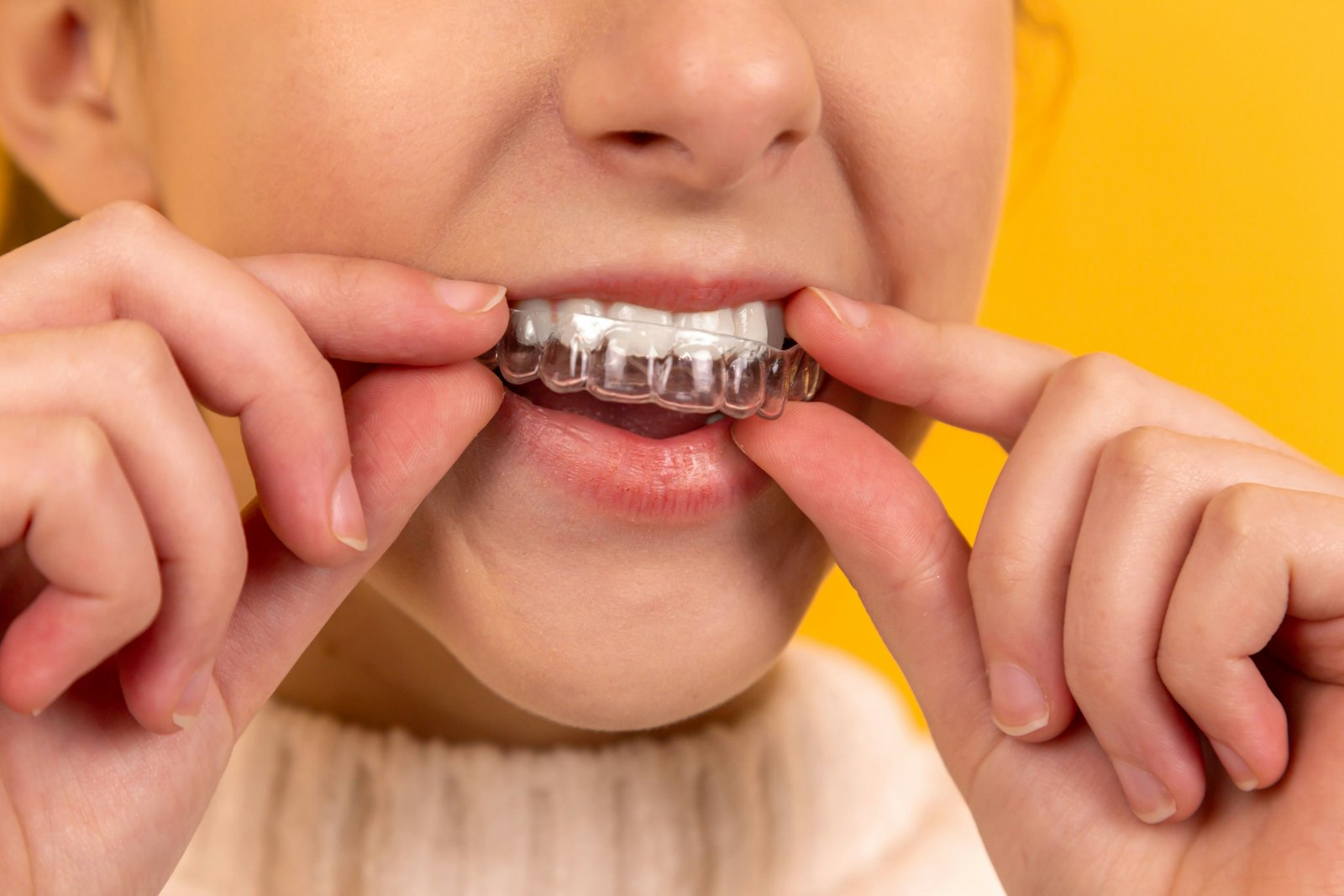
A child’s dental check-up at Tooth n Care
Alternatives We’d Also Discuss

Other ways to go

Watching a small area

Not every mark needs drilling. Early enamel decay in a baby tooth close to falling out can sometimes be monitored and remineralised instead.

Prevention first

Sealants, fluoride and diet changes often prevent the next cavity entirely, which beats treating it.

Read more →

Referral to a paediatric specialist

Very young children needing extensive work, or those with additional needs, are sometimes better treated by a specialist, occasionally under general anaesthetic. We refer when that’s kindest.

Risks & Considerations

The honest downsides

No treatment is risk-free, and you should hear this before you decide rather than afterwards.

Cost & health funds

Eligible children can be bulk billed through the Child Dental Benefits Schedule, which covers up to $1,158 of basic dental services over two consecutive calendar years — no out-of-pocket cost for covered services. Eligibility is set by Services Australia and the cap is indexed each January. We’re happy to check eligibility for you at the desk.

Fees & payment plans →

Get a written plan

Before anything starts you’ll have a written treatment plan with costs, inclusions and any conditions spelled out, plus an estimate of your health fund rebate checked at the desk.

Book an assessment →

Tooth n Care 135 Lawes Street,
East Maitland NSW 2323
02 4933 4667 Get Directions

This information is general in nature and is not a substitute for personalised advice from a registered dental practitioner. Any dental or surgical procedure carries risks. Individual results vary. Before proceeding with treatment we encourage you to ask questions and, if you wish, seek a second opinion from a qualified health practitioner.